
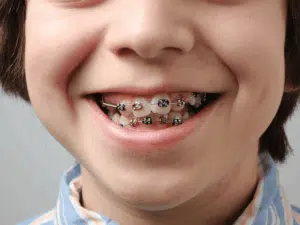
Choosing the right orthodontic treatment for your child can feel overwhelming, especially when you want the safest, most effective option for their growing smile. Understanding the types of braces for kids’ teeth helps parents feel confident about the process and make informed decisions. At Lasley Orthodontics in Renton, WA, Dr. Andrew Lasley provides personalized treatment tailored to each child’s needs, focusing on long-term oral health and a comfortable experience.
Braces for Kids: When to Begin
The right time for braces for kids is often a question parents ask. Orthodontic specialists recommend a first evaluation around age seven. At this stage, a mix of baby and permanent teeth allows the orthodontist to identify early signs of spacing, crowding, bite misalignment, or crossbites. Early evaluation allows orthodontists to identify developing issues and plan future treatment. Braces are usually applied later, when the timing is right.
Children’s Orthodontic Treatment: Benefits and Goals
Children’s orthodontic treatment focuses on guiding the development of the teeth and jaws. This early intervention can prevent more serious issues from forming and often makes later treatment easier. Dr. Andrew Lasley, evaluate growth patterns, tooth eruption, and bite alignment to design a personalized plan. Proper early treatment helps ensure that permanent teeth emerge in the correct position and the bite develops naturally.
Types of Children’s Braces: Understanding Options
There are multiple types of children’s braces available today, and each has advantages depending on the child’s needs. The orthodontist considers factors such as the complexity of the alignment, the child’s comfort, and aesthetic preferences. Understanding the options helps parents make the best decision for their child’s smile.
Metal Braces for Kids
Metal braces for kids are the most common and reliable option. They use stainless steel brackets and wires to move teeth into the proper position. Metal braces are durable and effective for even the most complex orthodontic cases. Children can also personalize them with colorful elastic bands, which makes the experience more enjoyable. Metal braces are a dependable choice when significant bite or alignment correction is required.
Clear Braces for Kids
Clear ceramic braces can be an option for older, responsible children or teens. They work well for certain mild to moderate alignment issues, but they require excellent brushing habits because ceramic brackets are more fragile than metal ones.
Invisalign Options for Kids and Teens
Invisalign First and Invisalign Teen are clear, removable aligners that are an excellent option for older children or teens with mild to moderate alignment concerns. These aligners make brushing and flossing easier and eliminate the food restrictions associated with traditional braces. Invisalign is best for responsible children who can wear the aligners consistently as directed. At our orthodontic practice in Renton, each child is evaluated to ensure Invisalign is the right choice for their dental development.
Palatal Expanders and Early Intervention
A palatal expander is a device used to widen the upper jaw, correct crossbites, and create space for crowded teeth. This early intervention is part of Phase 1 orthodontic treatment and can prevent more extensive procedures later. Expanders widen the upper jaw, correct crossbites, and create needed space. In some cases, this supports healthier bite development.
When to Start Braces
While some children benefit from early intervention between ages 7 and 9, most children start full orthodontic treatment between ages 10 and 14. The timing depends on tooth eruption, bite development, jaw growth, and other factors. Early evaluation enables orthodontists to monitor these factors and place braces at the optimal time.
How Long Braces Are Worn
The typical treatment period for braces ranges from 18 to 30 months, depending on the type of braces, the complexity of the alignment, and the child’s growth. Regular checkups every 6 to 10 weeks allow the orthodontist to make necessary adjustments and ensure that treatment progresses safely and efficiently.
Caring for Braces
Maintaining good oral hygiene is essential during orthodontic treatment. Children should brush after every meal, floss daily using orthodontic floss or a floss threader, and consider a water flosser for convenience. Avoiding sticky, hard, or chewy foods helps prevent damage to brackets and wires. Lasley Orthodontics provides guidance for children and parents to make hygiene simple and effective throughout treatment.
Choosing the Right Braces for Your Child
Selecting the best braces depends on the child’s dental needs, aesthetic preferences, and ability to maintain oral hygiene. Dr. Andrew Lasley and his team provide a thorough evaluation and personalized recommendations. They take several factors into account, including bite correction, alignment severity, treatment comfort, and your child’s confidence, when recommending the most suitable braces.
FAQs About Kids’ Braces
At what age should my child have an orthodontic checkup?
Age seven is recommended for a first evaluation to identify early bite or alignment issues.
Are clear braces effective for children?
Yes, clear braces work well for mild to moderate alignment issues and offer a more discreet appearance.
Can children play sports with braces?
Yes. A custom mouthguard is recommended to protect teeth and braces during sports activities.
Will my child need additional braces after early treatment?
Some children may need Phase 2 treatment to fine-tune alignment once all permanent teeth have emerged.
How often are orthodontic checkups required?
Most children visit every 6–10 weeks for adjustments and progress evaluations.
Ready to Get Started?
If you’re ready to give your child a healthy, confident smile, schedule a consultation at Lasley Orthodontics in Renton, WA. Dr. Andrew Lasley and our friendly team will provide a personalized evaluation and explain all available options to find the best treatment for your child. Take the first step toward a straighter smile today.