
Getting braces often starts with a step that catches people off guard. Small rings placed between certain teeth can raise questions and mild concern. Orthodontic spacers are usually placed before braces to prepare the teeth for what comes next. That short waiting period can feel uncertain, especially for patients and parents seeing them for the first time. This article explains what orthodontic spacers are, why they are used, and how they support a smoother start to orthodontic treatment.
Dental Spacers for Braces: What They Are and How They Work
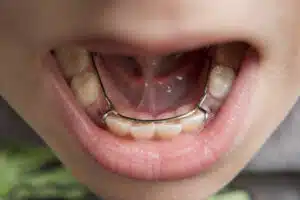
Orthodontic spacers are small devices placed between specific teeth to create a small amount of space. They are usually made of rubber or metal and are temporary. Their purpose is to gently separate teeth that sit too closely together.
Dental spacers for braces are most often used before placing metal bands around molars. These bands need room to fit correctly and stay secure. Without enough space, placing them can be uncomfortable and less precise.
Once spacers are in place, pressure builds gradually over several days. This pressure is controlled and expected. After enough space is created, the spacers are removed, and the next phase of treatment can begin.
Why Orthodontic Spacers Are Placed Before Treatment
Orthodontic spacers are used to prepare teeth for appliances that need a precise fit. When teeth sit tightly together, there is not enough room to place bands or other components safely. Creating space ahead of time helps reduce discomfort and improve accuracy.
They are commonly placed before braces that require molar bands. This step supports better positioning and lowers the chance of irritation during placement. It also allows the orthodontist to work efficiently without forcing hardware into tight spaces.
Common reasons spacers are placed include:
- Creating room for molar bands
- Improving comfort during appliance placement
- Supporting accurate alignment from the start
Separators in Orthodontics and When They’re Recommended
Separators are not placed for every patient. Their use depends on tooth spacing, bite structure, and the type of appliances planned. Some patients already have enough space between teeth and do not need them at all.
Separators in orthodontics are most often recommended when molar bands are part of the treatment plan. These bands must sit flush against the tooth to stay secure and function as intended. Even a small lack of space can affect how well they fit.
Your orthodontist decides on spacers after a close exam and review of X-rays. The goal is to prepare the mouth carefully before placing any permanent hardware. This early step helps prevent problems later in treatment.
What It Feels Like to Wear Spacers for the First Time
The first day with spacers often feels unfamiliar. Most patients notice pressure rather than sharp pain. That sensation usually increases slightly during the first 24 hours, then eases as the teeth begin to shift.
Eating can feel different for a short time. Foods that are soft and easy to chew are often more comfortable early on. Some common experiences include:
- Mild soreness around the spaced teeth
- Sensitivity when biting down
- Awareness of the spacers when chewing
These sensations are temporary. As the teeth adjust, daily activities tend to feel normal again. If discomfort feels unusual or increases instead of improving, contacting the orthodontic office is advised.
Why Orthodontic Spacers Are Needed for Successful Braces Placement
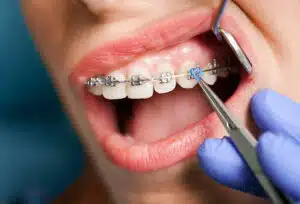
Braces work best when every part fits correctly from the start. Tight contacts between teeth can make it hard to place bands and other components without strain. Creating space first supports accuracy and comfort.
Why orthodontic spacers are needed often comes down to fit and stability. Molar bands must sit evenly around the tooth to stay secure. Proper spacing helps prevent irritation and reduces adjustments later.
This early step also supports long-term results. Orthodontic spacers help ensure appliances are placed as planned, which keeps treatment moving forward on schedule.
How to Care for Teeth While Wearing Spacers
Good oral care helps keep spacers in place and reduces irritation. Brushing should stay gentle and consistent, especially around the teeth with spacers. A soft toothbrush works well for cleaning without pulling on them.
Sticky or hard foods can dislodge spacers and should be avoided during this phase. Cutting food into smaller pieces can make eating easier. If a spacer feels loose or causes ongoing discomfort, contacting the orthodontic office is recommended.
Common Questions About Orthodontic Spacers
How long do spacers usually stay in place?
Spacers are typically worn for several days, though some patients may need them for up to a week. The exact timing depends on how quickly space forms and how tightly the teeth were positioned at the start.
Can spacers fall out on their own?
Yes, spacers can come out once enough space has been created between the teeth. If one falls out early or causes concern, it is best to contact the orthodontic office for guidance.
Are spacers supposed to be removed at home?
Spacers should be removed by the orthodontic team during a scheduled visit. This helps ensure the space created is maintained, and appliances can be placed correctly.
Do spacers affect brushing and flossing?
Brushing should continue as normal, with extra care around the spaced teeth. Flossing near spacers is often paused to prevent them from shifting or coming out too soon.
Get to Know the Lasley Orthodontics Team in Renton, WA
At Lasley Orthodontics, we focus on providing thoughtful orthodontic care for children, teens, and adults throughout Renton and nearby communities. We believe early steps like spacers play an important role in long-term results, so we take time to explain each part of treatment and make sure patients feel comfortable from the start.
Led by Dr. Andrew Lasley, our team is committed to individualized care, clear communication, and a welcoming office experience. We offer braces and Invisalign options and work closely with patients to support healthy, confident smiles at every age.
If you have questions about orthodontic treatment or want to learn more, we invite you to book a complimentary exam and meet our team.