
Deciding on the right orthodontic treatment can be stressful. You want results that are effective and fit your lifestyle. Comparing options like In-Ovation Braces vs Invisalign can help you see which one aligns with your needs. Both offer ways to straighten your teeth, but they work differently. Understanding how each treatment functions makes it easier to choose with confidence.
We will cover the main differences, benefits, and factors to consider for each option. This will help you see which solution suits your daily life and dental goals.
Understanding Clear Aligners
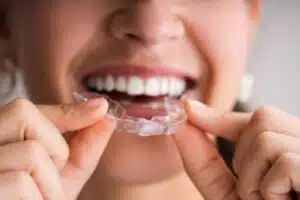
Clear aligners are a popular choice for people who want a discreet way to straighten their teeth. They are removable trays made from smooth, clear plastic that gradually shift teeth into place. Many patients appreciate how low-profile they are and the ability to remove them for eating or cleaning.
The main benefits of clear aligners include comfort, convenience, and appearance. They are less likely to irritate your gums or cheeks, and you can keep your normal oral hygiene routine. Some aligners are designed to be worn for just a couple of weeks before switching to the next set, which helps maintain consistent progress.
Clear aligners are suitable for many mild to moderate orthodontic issues. Complex cases may still require traditional braces. Consulting with an orthodontist helps determine if this treatment will meet your specific needs.
Advantages of Self-Ligating Braces
Self-ligating braces use a special clip instead of elastic bands to hold the wire in place. This design reduces friction and can make adjustments faster during appointments. Many patients notice less pressure on their teeth compared with traditional braces.
Some of the key advantages include:
- Shorter visits to the orthodontist
- Less discomfort throughout treatment
- Easier to keep clean than traditional braces
These braces can handle more complex tooth movements and are often effective for correcting crowded or misaligned teeth. They are a solid option for people looking for a reliable and consistent treatment.
Comparing Orthodontic Treatment Options
Choosing the right orthodontic treatment means looking at how each option fits your needs and lifestyle. Both In-Ovation Braces and Invisalign can straighten teeth effectively, but they approach treatment differently. Understanding these differences helps you make an informed choice.
In-Ovation Braces use a fixed system with self-ligating brackets, which can be more efficient for certain cases. Invisalign uses a series of clear, removable trays that shift teeth gradually. Both treatments have advantages depending on the complexity of your dental issues, your schedule, and your personal preferences.
When considering orthodontic treatment options, think about factors like daily comfort, how often you need to visit the orthodontist, and how each option affects your routine. Your oral hygiene habits and how you feel about the appearance of your braces are also important.
Pros and Cons of In-Ovation Braces vs Invisalign
Both In-Ovation Braces and Invisalign have clear benefits and some limitations. Understanding these can help you choose the option that fits your needs.
- In-Ovation Braces: Durable, effective for complex cases, fixed in place
- Invisalign: Removable, nearly invisible, easier to clean
Each treatment works well for different situations. In-Ovation Braces may be better for more challenging dental issues, while Invisalign can be more convenient for those who want a discreet solution. Your lifestyle and preferences will help determine which option is more suitable.
Factors to Consider Before Choosing Your Braces
When deciding between In-Ovation Braces and Invisalign, it helps to think about your daily routine and personal habits. Some treatments require more frequent orthodontist visits, while others are easier to manage at home. Budget and treatment length are also important. In-Ovation Braces may offer faster results for certain cases, while Invisalign can be more flexible but may take longer for complex movements. Your oral hygiene and comfort should guide your choice as well. Both options can achieve great results, but selecting the one that fits your lifestyle will make the process smoother and more manageable.
Making Your Decision Between In-Ovation Braces and Invisalign
Choosing between In-Ovation Braces and Invisalign comes down to your needs, lifestyle, and preferences. Think about how each treatment fits your daily routine, comfort level, and oral hygiene habits.
Consider the complexity of your dental issues and how quickly you want results. Both options are effective, but understanding their differences can help you feel confident in your choice. Talking with an orthodontist can provide guidance and make the decision easier.
Frequently Asked Questions About Braces and Aligners
Are In-Ovation Braces painful?
Most patients experience some discomfort when braces are first applied, but it usually eases within a few days as your mouth adjusts. Occasional pressure after adjustments is normal, and over-the-counter pain relief can help manage it.
How often do I need to replace Invisalign trays?
Invisalign trays are typically replaced every one to two weeks, depending on your treatment plan. Your orthodontist monitors your progress closely to ensure each set moves your teeth effectively and keeps your treatment on schedule.
Can adults get In-Ovation Braces or Invisalign?
Yes, both options are suitable for adults. Invisalign is often chosen for its discreet appearance, while In-Ovation Braces can address more complex tooth movements, making either option effective depending on your needs.
Will I need to wear a retainer after treatment?
Yes, retainers are essential to maintain the results of any orthodontic treatment. They help prevent teeth from shifting back to their original positions and may need to be worn full-time initially, then gradually reduced as recommended by your orthodontist.
Can I eat normally with Invisalign or braces?
With Invisalign, you remove the trays before eating, so you can enjoy most foods without restriction. With braces, it’s best to avoid very hard, sticky, or chewy foods to prevent damage to brackets and wires while keeping your teeth and braces clean.
Discover Expert Orthodontic Care with Lasley Orthodontics
At Lasley Orthodontics, we focus on helping patients achieve healthy, confident smiles. We offer a range of treatments, including In-Ovation® Braces and Invisalign®, so you can choose the option that fits your lifestyle and needs. Our goal is to make sure each patient understands their options and feels comfortable with their treatment plan.
We guide our patients through every step of the process, from the first consultation to the final results. If you are exploring orthodontic treatments, we are here to answer your questions and support you throughout your journey.
Schedule your consultation today, and let’s find the right solution for your smile.