

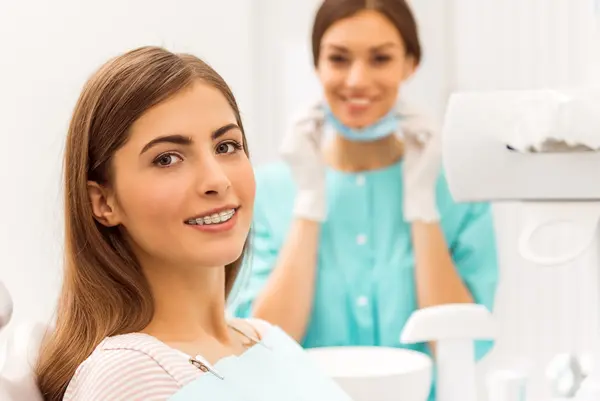
Braces in Renton, WA

Achieve a Smile to be Proud of with Braces in Renton, WA

At Lasley Orthodontics in Renton, WA, we understand the importance of a confident smile. Gone are the days of unsightly metal braces that can be uncomfortable and cause discomfort. Dr. Andrew Lasley and his team offer a range of modern braces that not only straighten your teeth effectively but also enhance your comfort and confidence during your orthodontic journey.

Your smile is an essential part of who you are, and we are here to help you achieve the smile you desire without the hassle of bulky braces. Whether you’re looking for affordable classic metal braces in Renton, WA, or discreet ceramic options, we have the right solution for your needs.

SCHEDULE A FREE CONSULTATION

Discover Your Braces Renton WA Options

Here at Lasley Orthodontics, we’re proud to provide a selection of orthodontic braces to meet your individual requirements and preferences. If you’re looking for an orthodontist in Renton, WA, you can put your trust in Dr. Lasley and his team. We’ll give you the best orthodontic care possible while making sure you’re completely at ease the whole time.

TRADITIONAL METAL BRACES

Our traditional metal braces are a timeless choice for achieving a straight and confident smile. Crafted from high-grade stainless steel, these braces are now more comfortable than ever before. Metal braces use a combination of metal brackets and archwires to gently guide your teeth into their ideal positions.

Embrace your individuality with the option to add colored elastics (rubber bands) for a unique and colorful smile. Express yourself while achieving the smile you’ve always dreamed of with our trusted traditional metal braces.

CLEAR BRACES

If you desire a discreet orthodontic solution, our ceramic braces are an excellent choice. Made from clear materials, ceramic braces are less visible on your teeth compared to traditional metal braces. This makes them particularly popular among older teenagers and adult patients who have cosmetic concerns.

While ceramic braces offer a subtle appearance, they require careful attention to oral hygiene as they are slightly larger and more delicate than metal braces. Typically, ceramic braces are used on the upper front teeth for the best aesthetic results.

LINGUAL BRACES

Unlike traditional braces, lingual braces are bonded to the inside surface of your teeth, rendering them virtually invisible when you smile. This discreet feature allows you to go about your daily life with confidence, knowing your braces are working their magic without anyone noticing.

Our 2D lingual braces are designed to work efficiently and quickly by operating close to the resistance center of your teeth. This means you can achieve your desired results with less visible hardware and a shorter treatment time.

Which Type of Braces Should You Choose?

Selecting the right type of braces is a significant decision that can impact your appearance and lifestyle during your orthodontic journey. To make an informed choice, consider the following factors:

01 Aesthetics

If concealing your braces for social or professional reasons is a priority, explore less conspicuous or nearly invisible options like ceramic braces, lingual braces, or clear aligners. Discuss the pros and cons of each with your orthodontist to understand how long it will take to achieve your desired results.


02 Budget

Pricing is a crucial consideration when evaluating your options. While braces are an investment, your orthodontist can work with you to establish a pricing structure that aligns with your needs. Keep in mind that lingual braces tend to be the most expensive due to their customization and time-intensive nature, while traditional braces are usually the most affordable option.

03 Complexity of the Issue

The complexity of your dental concerns can influence your choice of braces. Discuss with your orthodontist to identify the most suitable option, especially if you have intricate misalignments or malocclusions that require specialized correction.

Taking Care of Your Braces

Avoid Hard and Chewy Foods

While eating with braces is simple, there are some foods that you’d want to avoid so that they don’t break and your treatment goes easily. These include:

  • Chewy foods — bagels, licorice
  • Crunchy foods — popcorn, chips, ice
  • Sticky foods — caramel candies, chewing gum
  • Hard foods — nuts, hard candies
  • Foods that require biting into — corn on the cob, apples, carrots
Choose Soft Foods

Soft foods are your friends while your braces are still on. You can get the nutrition you need while making sure your braces are in good shape. These options include:

  • Dairy — soft cheese, pudding, milk-based drinks
  • Breads — soft tortillas, pancakes, and muffins without nuts
  • Grains — pasta, soft cooked rice
  • Meats/poultry — soft cooked chicken, meatballs, and lunch meats
  • Seafood — tuna, salmon, crab cakes
  • Vegetables — mashed potatoes, steamed spinach, beans
  • Fruits — applesauce, bananas, fruit juice
  • Treats — ice cream without nuts, milkshakes, Jell-O, soft cake
Cut Crunchy Foods into Small Pieces

If you want to enjoy crunchy foods like apples or carrots, cut them into smaller, bite-sized pieces to reduce the risk of damaging your braces.

Rinse with Saltwater for Soreness

Gum soreness, especially during the onset of your braces treatment, is normal. If you experience mouth soreness after getting them, you can find relief by rinsing your mouth with a solution of lukewarm water and salt. Dissolve one teaspoon of salt in eight ounces of water and swish it around your mouth for a couple of minutes (do not swallow).

Use Wax for Irritation

Should your braces cause irritation to your lips or cheeks, apply orthodontic wax to smooth any sharp edges and alleviate discomfort. This wax is specially designed for orthodontic use and can be reapplied as needed.

Report Loose Wires and Bands

Contact your orthodontist immediately if any wires or bands on your braces become loose or break. Avoid attempting to fix them on your own, as this could lead to further issues or discomfort. Dr. Lasley will assess the situation and provide the necessary adjustments or repairs to keep your treatment on track.

Maintain Good Oral Hygiene

Brush and floss regularly to keep your teeth and braces clean. Proper oral hygiene is essential to prevent issues like cavities and gum disease during your treatment.

Wear Your Prescribed Appliances

Consistently wear rubber bands, headgear, retainers, or other appliances as instructed by your orthodontist. Following the prescribed plan is crucial for achieving the best results.

Use a Mouthguard for Sports

If you play sports, wear a mouthguard designed to protect your teeth and braces from injuries. Consult with your orthodontist to find the right mouthguard for your needs.

Seek Professional Help for Emergencies

Orthodontic emergencies don’t happen very often, but if they do, we’re here for you. You should call our office when you’re in a lot of pain or can’t fix a painful appliance problem yourself. We will schedule an emergency appointment as soon as possible.

Recommended Oral Hygiene Routine with Braces

Maintaining proper oral hygiene is crucial when you have braces to ensure the health of your teeth and gums throughout your orthodontic treatment. Here’s how to brush and floss effectively while wearing braces:

BRUSHING

  • Brush your teeth for a full two minutes after each meal using a soft-bristled, small-headed toothbrush and fluoride toothpaste. Alternatively, a powered toothbrush can be used for enhanced cleaning.
  • Employ small, gentle, circular motions when brushing the outside and inside surfaces of your teeth. Position the toothbrush head at a 45-degree angle to the gum line.
  • Pay particular attention to the areas around your brackets or other orthodontic appliances.
  • Brush the chewing surfaces of your teeth and the inside surface of your front teeth using short, gentle, back-and-forth motions.
Practice Brushing Techniques to Practice In Your Downtime

FLOSSING

  • Flossing after every meal is essential to maintain clean teeth and braces, which helps keep your treatment on schedule.
  • To floss with braces, use a floss threader or special orthodontic floss to guide the floss behind each wire.
  • Wrap the ends of the floss around your index fingers on both hands, leaving a few inches of taut floss between them.
  • Gently slide the floss back and forth between each set of teeth, ensuring you clean the sides of each tooth beneath the gum line to remove plaque and food particles.
  • Repeat this process until you’ve flossed all of your teeth thoroughly.
  • If you find that traditional flossing does not effectively remove all food particles between your teeth and around your braces, consider asking us about using a water flosser, which can be a helpful addition to your oral hygiene routine.

Frequently Asked Questions

What age is best for braces?

You’re never too old for orthodontics. Generally, the ideal time for braces is between 9 and 14, when facial bones are still developing. Adults can benefit from braces too, although the treatment might take a bit longer.

How long do braces take to work?

The duration of braces treatment varies. On average, it takes about two years, but it depends on the severity of the misalignment. Some may finish in under 12 months, while others may need up to three years.

What are the benefits of dental braces?

Dental braces offer more than a straighter smile. They also:

  • Facilitate easier teeth cleaning.
  • Help prevent cavities and gum disease.
  • Correct temporomandibular joint (TMJ) disorders.
  • Restore proper functions like chewing and speaking.
What are the normal side effects of braces?

Expected side effects include:

  • Temporary discomfort, typically on the first day and after brace adjustments
  • Irritation on the tongue, lips, or cheeks
  • Jaw discomfort
  • Difficulty eating, especially after adjustments

Over-the-counter pain relievers and dental wax for braces can help manage these effects.

Do braces hurt?

You may experience discomfort for a few days after getting braces or after routine tightening. Generally, braces shouldn’t hurt. To ease discomfort, consider acetaminophen (Tylenol®), but avoid ibuprofen (Advil®) and other NSAIDs as they may interfere with tooth movement.

Book a Free Consultation with Dr. Lasley

Our braces Renton WA offer the opportunity for perfect tooth alignment and a radiant smile, making them a proven treatment for individuals of all ages. Whether you prefer the classic appeal of metal braces or seek less noticeable alternatives like ceramic or lingual, Dr. Lasley is here to provide expert assessment to help you achieve your orthodontic objectives.

SCHEDULE A COMPLIMENTARY EXAM